Colorado, USA
November 16, 2026
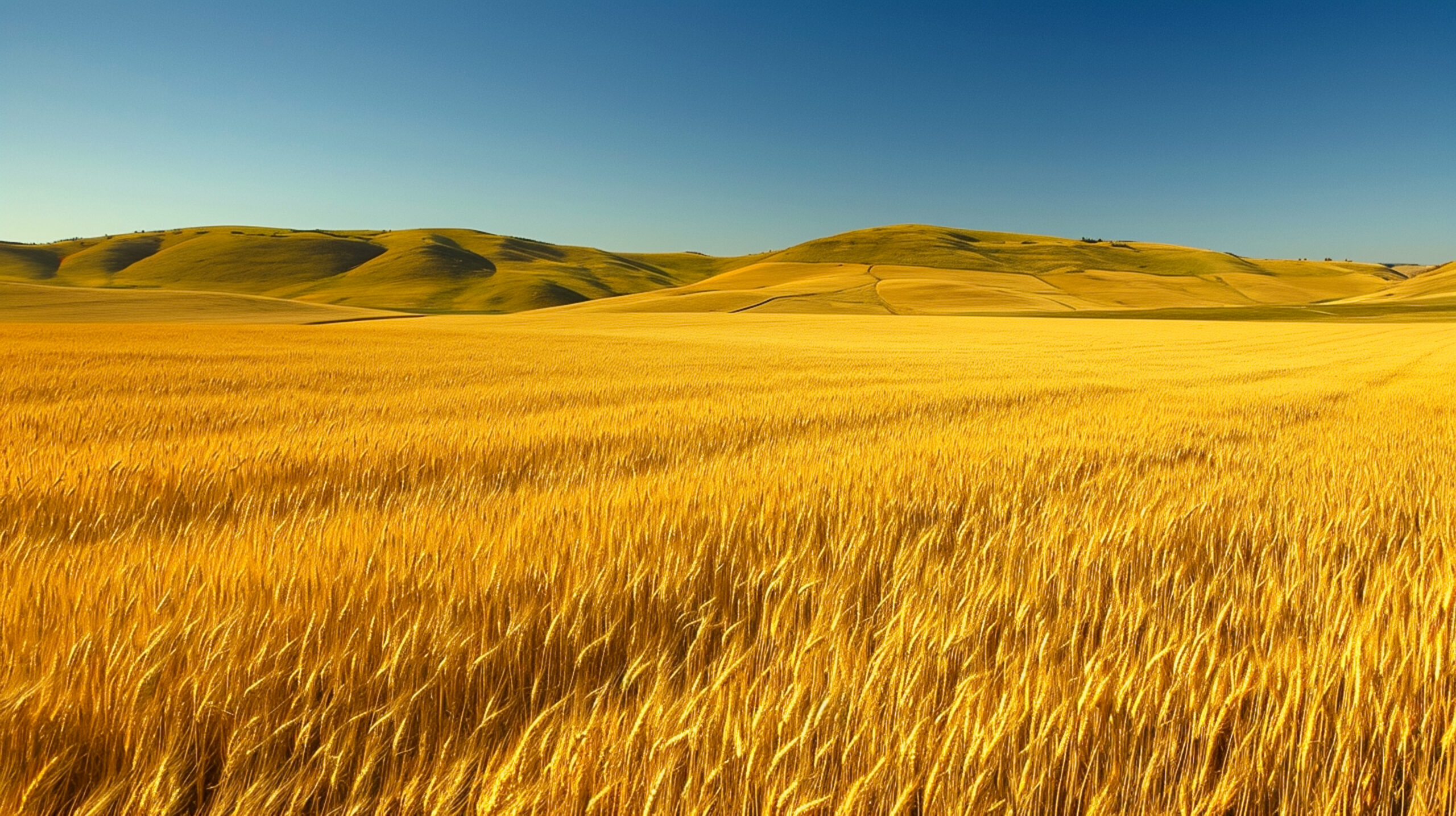
Yield. Test Weight. Protein. These are some of the first things to come to mind when making one of the most important decisions this time of year: What variety am I going to plant? That question is at the heart of wheat variety selection.
However, I believe there are more factors that go into selecting a variety than just those three components. Straw strength, disease resistance, and end use quality usually end up getting thrown in the back seat when it comes to decision time. What about emergence? How fast does the variety green up and close the rows for added weed control? Is it awnless? Will the elk favor it over something that has awns? Will it head out too early and get nipped with frost? What if it matures too late and I lose my test weight in the heat?
My ancestors may have only had one or two options when it came time to plant their wheat crop. I’m guessing some of your ancestors also planted the same variety, year after year. Fast forward to 2026—LCS has over 25 white wheat varieties and 7 red wheat varieties to choose from. That gives growers a lot of Pacific Northwest wheat varieties to sort through. How do you make the right choice?
Every acre is different, even within the same field. Moisture, wind, soil type, crop rotation, and elevation can all make or break a variety’s performance. Why limit yourself to one option?
Blending multiple varieties into one field has been my favorite and most effective way to mitigate a farmer’s risk in the PNW. For me, blending wheat varieties is one way to spread that risk across more than one set of genetics. Some retailers will pre-blend varieties based on seed count; some retailers have the ability to pull from different bins and blend them as they go into the seed truck. Either way, putting more than one variety in a field is like taking a multivitamin.
The tricky part about wheat variety blends is making sure that they work together. I have seen some absolutely awesome blends (LCS Shine/LCS Blackjack; LCS Jefe/LCS Shine/LCS Kamiak), and I’ve seen some blends that just don’t really make sense. You want to make sure the height and maturity between your blended varieties are not too wildly different that you end up cursing yourself when you’re in the combine.
Your LCS Regional Commercial Manager is your best ally when it comes to picking the blend that works for your farm. We know LCS varieties in and out, and we can brainstorm with you to find what the best options are for your farm. That can be especially helpful when comparing winter wheat varieties with different maturity, height, disease resistance, and agronomic characteristics.
We may do things differently in the PNW, but we’re okay with it.
FIND A DEALER >




 Topics
 Species